Indian Startup 500 Hours, Giving Away 500 Development Hours To Worthy Startups [interview]

500hrs,Indian startup,startup,startupsVishesh Duggar and Shreya Tiwara are both Indian natives and both attended college at Northeastern University in Boston. After finishing college both Duggar and Tiwara returned to Pune India where they immediately got their hands dirty in the budding startup community out there.

Now, Duggar who graduated with an MS in Computer Science, and Tiwari, who graduated with an MS in Electrical Engineering, are anxiously looking forward to giving away their services.  Duggar was also a CTO with a MassChallenge company.

Both founders of 500 Hours have experience in startups dating back over the last 4 years. Now they are looking for 3 startups that are worthy of getting their services for free.

In a program they are calling an “accelerator”. 500 hours will take applications and then they will determine the top three startups. The top startup will receive 400 hours in services, the second place startup will receive 90 hours of development time and the third startup will receive 10 hours of development time.

While many believe that access to capital is the number one thing holding startups back, Druggar and Tiwari feel that without capital or good technical resources startups can’t build out their products.

“We’ve been working with startups for the last 4 years and the biggest problem that We’ve come across is the lack of funding to build something that they can use to get  funded or attract customers. We will reduce the cost of building the MVP to close to zero and provide tech mentorship to startups, giving them a better shot at succeeding.” Druggar said in an interview with nibletz.com. He continued, “After 2 years of reaching out to more than 160 startups and talking to close to 50 of them the biggest challenge we’ve come across has been a startup’s ability to fund developing their minimum viable product and this accelerator program is the answer to that.”

When we followed up with 500 Hours Druggar explained that they aren’t looking for an equity position in the three startups and are doing this just to help launch good startups. They also hope that it’s successful and they can hold the program annually.

Check out the rest of our interview with 500 Hours below.

What is your startup, what does it do?

500Hrs is a new development accelerator we launched at CauseCode Technologies. We give upto  500Hrs of development time to top three startups who apply to our program. 400, 90 and 10 respectively. We recover some of our cost of evaluating the applications and development time from the application fee and sponsors.

But the larger goal is to accelerate high impact startups that have a strong web/mobile component. And this program will catalyze a startup competing at other seed fund based accelerators.

Who are the founders and what are their backgrounds?

Vishesh Duggar, MS Computer Science from Northeastern University, Boston. Has been involved with the startup community for the last 4.5 years. Currenlty the acting CTO of AltruHelp and CEO CauseCode Technologies. He has a strong technical background but also has a lot of experience with business development, marketing, hiring and more.

Shreya Tiwari, MS Electrical Engineering from Northeastern University, Boston. Experienced engineer with an inkling towards marketing and strategy. Currently, Senior Product & Marketing Manager at CauseCode Technologies.

Where are you based?

We are based out of Pune, India, but the program will be open to startups all over the world

What is the startup culture like where you are based?

There is small startup community here with punetech.com and punestartups.org. There is definitely significant growth being seen across India in the startup community for the past 3 years. We are hoping to add some fuel to it through this program as well.

What problem does your startup solve?

We’ve been working with startups for the last 4 years and the biggest problem that We’ve come across is the lack of funding to build something that they can use to get  funded or attract customers. We will reduce the cost of building the MVP to close to zero and provide tech mentorship to startups, giving them a better shot at succeeding.

What is one challenge that you’ve overcome in the startup process?

After 2 years of reaching out to more than 160 startups and talking to close to 50 of them the biggest challenge we’ve come across has been a startup’s ability to fund developing their minimum viable product and this accelerator program is the answer to that.


What are some of the milestones your startup has achieved?

  1. We have helped AltruHelp, ClothesCritics, CheersMeUp and CalBill with building their MVP and beyond
  2. Designed and chalked out the 500Hrs program
  3. We have a landing page with a CRM integration to capture interest by other startups
  4. Marketing plan to reach out to various startup community entities across the globe to validate the program


What are your next milestones

  1. Getting the word out there by starting a conversation with Nibletz, NextBigWhat, TheNextWeb, TechCrunch, Forbes, YourStory.in, StartupDigest and friends in PR
  2. Getting intent to apply from 50 startups
  3. Reaching out to other accelerators for mentorship
  4. Seeking a few community volunteers to judge and mentor startups
  5. Developing feature set to accept application fee and application
  6. Starting to accept application
  7. Closing applications
  8. Judging
  9. Starting development on the startups

Who are your mentors and role models?

Our role model is Steve Jobs and we constantly try to make things as simple and beautiful as we can. We are very inspired by MassChallenge, StartupWeekend, 500Startups, TechStars and AngelList

During my(Vishesh) work with MassChallenge I was fortunate to make a lot of connections within the startup community in and around Boston. Some of my friends that I seek advice from are Mark Shiffer, Ex CTO MassChallenge, Stefan Baytarian, Founder ClothesCritics, my father Vijay Duggar who has been a successful entrepreneur for the last 25 years.

What are some of the advantages/disadvantages growing your startup outside of Silicon Valley.

“Everything is possible, nothings is easy. Lots of ‘Frictions’. – World Startup Report India

It is definitely harder to bootstrap from here in India. Poor infrastructure, raw startup community, hard to find entrepreneurial hires and  not enough startup oriented events are a few challenges.

But it also results into a lot less competition and tons of opportunities.

What’s next for your startup?

Getting our story out there and attracting startups, judges, mentors and sponsors.

Where can people find out more?

500Hrs.com, @causecode, @500Hrs, 500Hrs@causecode.com


 That was 500 Hours, looking for 500startups, check out these stories?

Dallas Startup Dormitup To Save College Bound Students Trips To Target

Dormitup,Dallas startup,startup,startup interviewAs the college school year starts to wind down next month, dumpsters will start filling to the brim with all the colorful stuff students purchased headed into the school year from Target. A lot of the housewares and dorm room goods will still be in new packaging. Why? Because gearing up for dorm life can be confusing. Often times it involves lots of trips to the store for things students are told they need but actually don’t.

Well two cousins, Sagar Hemani (Missouri University alumn) and Shanil Wazirali (Texas A&M alumn) have set out to make moving into the dorm much simpler.

Their new startup Dormitup just opened its doors and offers a great new way for students and parents to get everything they need for the dorm in one click (or two). Dormitup provides predetermined packages that are filled with the things students actually need for dorm life.

Inbound college students and their parents can go to Dormitup’s website and order everything in one package. They can also customize their dorm room packages by color. Then everything is delivered to their home (or dorm room) ready to go.  Students and parents can spend their last few weeks preparing for college, saying their good byes and having fun.

We got a chance to talk with Wazirali. Check out the interview below:

What is your startup, what does it do?

Dormitup.com offers a convenient, affordable, and exciting way for incoming college students to purchase their campus essentials! We focus on providing everything that an incoming college student needs and wants, while maintaining an affordable price and providing high quality products!

Our Story:

Entering college was an exciting moment for us! We were both convinced that the next four years were going to be the best years of our lives!

After receiving our room assignments, we started our research on what to bring to college. This was a tough process. We both felt the need to buy everything on the 3-4 checklists we could get our hands on. We didn’t know any better. All we kept hearing was to make sure to purchase Twin XL bedding. We didn’t even know what Twin XL meant. We dragged our parents from store-to-store trying to find the bare essentials. It wasn’t easy. We both spent nearly a week trying to find these essentials because everything was sold out in stores. Our parents were overwhelmed and extremely frustrated by this process. We don’t blame them; entering college was supposed to be an exciting moment, not a burden.

Just as we thought we purchased everything, we entered our rooms and noticed that they were completely empty. Our parents had to make 3-4 more trips to local retail stores just to make sure we were fully prepared and weren’t missing anything. Both of our parents spent nearly $700, countless amount of gas money, and valuable time through this process.

We knew there had to be a better solution to all this madness?

All throughout college we remembered this horrifying process and came together, wanting to save the lives of all students entering college. We didn’t want other incoming college students to experience what we went through. Upon graduating from college, we knew it was time to launch Dormitup.com to provide incoming college students and their families a way to get all of their dorm room essentials, without having to waste time, money, and their sanities.

Where are you based?

Dallas, TX

What is the startup culture like where you are based?

More and more businesses are growing, especially by young entrepreneurs. It seems as if entrepreneurship is starting to be well accepted by people, and more and more people want to own their own businesses.

What problem does your startup solve?

We provide an enjoyable, hassle free, and affordable college shopping experience for parents and students. We do this by offering incoming college students the ability to choose between our four dorm room essentials packages, the opportunity to customize their essentials by the colors and styles of their choice, and the convenience to receive their customized dorm essentials package at their door steps.

What is one challenge that you’ve overcome in the startup process?

We’ve faced many challenges throughout our startup process. We’ve struggled anywhere from developing the products, to bootstrapping how we market our company to the public, to developing partnerships. The only answer to how we’ve overcome these challenges is being diligent. We’ve conducted years of extensive research and spent many late nights working and scratching our heads to develop the right products and business structure. Our investors and mentors have instilled in us to start small, but dream big, and that’s what we’ve been following. It’s diligence and perseverance that has brought us to launch our website today.

What are some of the milestones your startup has achieved?

We have our own Dorm It Up brand of products, which students will love! We also have a partnership with a major University!

What are your next milestones?

To aim to create a word of mouth business and a well established brand. Our objective is to have people talking about Dorm It Up when they think of college shopping. We aim to develop more and more University partnerships throughout the years, provide the best customer service to our Dorm It Up members, and get our packages in the hands of as many incoming college students as possible!

Who are your mentors and role models?

Our fathers and their third brother are our mentors and role models. They came from nothing and made themselves into successful businessmen. They have taught us the importance of working extremely hard with passion. Our mentors have also emphasized on being the start of something new and leading by example. They mentor us on a daily basis on what business decisions to make, how to be patient with business, how to make quick, yet intelligent decisions, and much more

What are some of the advantages/disadvantages growing your startup outside of Silicon Valley.

We’ve had the pleasure of having our family and friends, as well as our mentors to guide and support us on a daily basis here in Dallas, TX. We have all the resources we need here for our business.

What’s next for your startup?

We are marketing our eGift cards at this time, which allow parents to purchase eGift card packages, and let their graduate customize their package the way they want it. We are continuously working to develop new partnerships and find opportunities to market to parents and graduating high school seniors.

Where can people find out more?

Visit dormitup.com for any information. Our Facebook link is facebook.com/dormitup. Find us on Twitter @dormitup

Now check out Austin startup Burpy

Mark Cuban Backed Apptopia Tops $1 Million In Sales

Apptopia,Boston Startup,Mark Cuban,startup newsBoston startup Apptopia is another startup we’ve been tracking for quite some time. We first brought you the story about this company that helps app developers actually sell their apps and app businesses, back in March of 2012.

While app markets seem to be a dime a dozen these days, Apptopia is not an app market at all. Apptopia allows developers to take their developed app projects and sell them for whatever reason they want. Perhaps they just got a thrill out of creating something and they’re ready to move onto the next idea. Or maybe developers are just creating apps to sell in a marketplace like Apptopia.

The vision for Apptopia caught the eye of ABC Shark Tank shark, and investor Mark Cuban, who likes to invest in original ideas that can cause a disruption. Cuban led the startup’s $1 million dollar seed round.

Last October we reported that Apptopia had cleared $25,000 in sales. Last week the company reported that they had participated in over 275 app acquisitions which amounted to over $1 million dollars in sales.

With growth like this in an entirely new market, Apptopia was named one of the “World’s top 10 most innovative companies in mobile” by Fast Company.

Apptopia isn’t just like “ebay for apps” they have a sophisticated algorithm built into the background that is able to take an apps current downloads, ratings and other metrics and triangulate it’s current valuation, to project future earnings.

“Take the popular app Temple Run, for example. Apptopia’s unique algorithm uses public data about Temple Run (245.7 million downloads, 4.7 million ratings) to triangulate its current valuation ($41.2 million) and project future revenues ($11.2 million over the next six months). Apptopia can perform this analysis on any app, making it an extremely useful tool for developers and investors alike.” an Apptopia spokesperson told us by email.

To find out more about Apptopia or sell your own app check them out at apptopia.com

Here’s a way not to get an investment from Mark Cuban.

Huge Crowdfunding Festival: One Spark Kicks Off In Jacksonville Next Week

OneSpark,Florida startup,startup events,crowdfunding,Elton RivasThe first OneSpark festival will kick off next Wednesday night in Jacksonville Florida, and it’s going to be huge. The festivities kick off at 6pm at Hemming Plaza with an opening ceremony.

The kickoff event will feature party band The Sunbears, free food, drinks and plenty of opportunity to network with creators from all over the world.

Once the event kicks off Jacksonville will turn into one huge in person crowdfunding festival from Wednesday (April 17th) through Sunday (April 21st).

What is a “crowdfunding festival”,

Well think SXSW music and SXSW interactive meet in Jacksonville Florida, where the weather looks to be perfect. Then add creators who’ve created something in either the arts, music, science or technology. Now think Kickstarter and taking those project creators and bringing them into the real world.

This is the first festival of it’s kind. Creators will be staged in venues throughout downtown Jacksonville where attendees will be able to see their creations, ask questions, hear pitches and then decide if they want to crowdfund the creator in person. Talk about eliminating the risks of online crowdfunding.

Event organizer Elton Rivas and the OneSpark committee have wrapped the crowdfunding concept up into a huge event that has three main focus areas:

The creator zone: This is where you can go from venue to venue and see all of the creators and their creations, think gallery hop with some ultra cool new ideas and creativity overflowing like a volcano.

Pitch Decks And Stages: You’ll be able to hear live pitches and keynote speakers throughout the five day festival in these areas.

Entertainment District: here OneSpark will showcase all of what Jacksonville has to offer in the entertainment realm. Party with creators, VIPs, A-listers and jam out to some of the best musical offerings in Jacksonville.

Learn more about OneSpark at beonespark.com

Stay up to date with our OneSpark coverage here.

DC Startup Seva Call Is A Virtual Concierge In Real Time & By Phone

Sevacall,DC Startup,startup interviewIf you’re looking for a professional service provider the highly acclaimed DC startup Seva Call may be just the right thing for you. Seva Call is a virtual concierge service that links customers by phone to the professional services that they need.

Whether you’re looking for computer repair techs, heating and cooling pros, locksmiths, maid service professionals, plumbers, roofers, or any other kind of service provider, Seva Call can handle that for you.

The company, providing services in Washington DC, Philadelphia, Boston and New York right serves up the best professionals in the users area.

So in this day and age of text messages, native apps,and web based platforms, why a “phone call” service?

“Even for simple inquiries, only 7% of consumers polled prefer text over other means of communication. As the service need gets more complex, customers want even more personal attention, a majority preferring direct conversation with businesses#. Perhaps that’s why 76% consumers polled prefer small businesses, with their reliance on old fashioned personal attention rather than ridiculous hold times, automated messages, bureaucracy and now the highly impersonal use of text messaging to bypass all of that.” co-founder Manpreet Singh told nibletz.com in an interview.

Even though we’re at a time where we think everyone is online, Singh tells us that 61% of service providers still have no web website or don’t know how to market themselves or make themselves available online.

SevaCall combines the best of both worlds to consumers and service providers. Customers needing services go to the SevaCall website and from there they decide the service that they need. They enter their location, contact info, availability and service need and within minutes they’ll get a call from 3 service providers.

“In minutes, Seva Call’s algorithm selects the best companies based on the details provided plus quality assurance indicators like consumer reviews and social media interactions. In about 90 secs customers can talk to an area professional who knows about their needs and have determined that they are ready to help.Plus, contact details remain confidential.” Singh said.

They plan on releasing mobile apps on iOS and Android in the near future which will allow users to enter the services they need on their smartphone and still get a call back with potential service providers.

Check out SevaCall here at sevacall.com

This pitch from DC startup Speek resulted in a monkey tattoo on the cofounders ass.

Chicago Reviews Startup G2Crowd Taking On Gartner Not Yelp

G2Crowd,Chicago startup,startup,startup interviewThe Chicago based team behind Big Machines, a company that specializes in cloud based product configuration, and sold to Vista Equity Partners and JMI Equity at a valuation of more than $100 million dollars is back. This time they’ve attacked a problem that IT professionals and companies around the world are having every day; finding great reviews on software.

Their video explains it best, you’re not going to ask a car dealer for his “honest opinion” on the vehicle you’re looking at. If you do, you’re going to get whatever it takes to sell the product. You’re not going to look to tech review magazines and online sites because they’re riddled with “product placement” and paid for reviews.

So G2Crowd decided to create a community of crowdsourced reviews from actual users.  Today they have over 2500 members and 10,000 ratings on various software packages, mostly aimed at enterprise companies.

A company with 500-10,000 employees is looking at a pretty big capital expenditure when it comes to CRM software, or other productivity software. Licenses can run in the tens of thousands if not hundreds of thousands of dollars.

G2Crowd offers users, or readers, a much more rounded picture of the products they may end up purchasing.

You would think that a startup like this was coming directly at Yelp, however TechCrunch reports that’s not the case at all. While serving the needs of software purchasers with reviews, they’ll also provide a paid for research service, much like Gartner and other companies like it. With their broad range of reviews, and user base they plan on offering these research reports at a much lower cost, like $99.

After their first successful exit with BigMachines, when CEO and co-founder Godard Abel launched G2Crowd they naturally decided to remain in Chicago. We talk with the G2Crowd team about Chicago’s startup scene and what they’re doing differently in the reviews space with G2Crowd. Check out the interview below:

What is your startup, what does it do?

G2 Crowd is a site for trusted reviews of business software. We are changing the game by creating a motivated community of real users sharing real reviews in real time so companies can select software in much the same way that we use reviews on Yelp or Amazon to pick a restaurant or hotel. New insights based on authentic reviews encourage informed decisions and collective learning; companies can use G2 Crowd to compare software and find the one that’s right for them based on the experiences of actual users.

Who are the founders and what are their backgrounds?

Godard Abel, cofounder/CEO

Matt Gorniak, cofounder/COO

Tim Handorf, cofounder/Products

Mark Myers, cofounder/Design

Mike Wheeler, cofounder/Engineering

The cofounders all worked together at another company, BigMachines, which was founded by Godard. After the successful sale of BigMachines, they were looking for a new project and started G2 Crowd. More info on the team can be found here

What is the startup culture like in Chicago?

Overall, it’s enthusiastic and supportive. We know we’re not Silicon Valley or New York, but the startups here embrace the underdog role and make the best of it. There are lots of events and resources for entrepreneurs to connect with each other.

What problem does your startup solve?

The current approach to buying business technology is broken. Buyers spend too much time sifting through spin, reading outdated analyst reports, and sitting through endless meetings. After all this, buyers still lack the confidence in their choice of technology, and most projects fail to meet their expectations. Because most companies choose new systems only every few years, they lack the expertise to efficiently select the best software, and most have nowhere to turn for input from peers implementing similar systems for similar companies. Also, traditional technology analysts such as Gartner rely on a legacy model of highly paid experts publishing their opinions only every two years or so, with a focus on products from large vendors that are typically also clients of the same analysts. This process delays the emergence of more innovative solutions, and buyers might miss newer technologies that could be a better fit.

What is one challenge that you’ve overcome in the startup process?

The initial process of getting our site live. Putting together a site that we were ready to show off was a ton of work, but we also had to balance that with just getting something out there. It’s very tempting to wait until the site is as close to perfect as possible before standing it up, but it was important to us to approach this from the lean startup perspective and get something out there. Since the first version of our site went live, we’re continuously getting feedback and making changes and improvements based on what our users tell us. 

What are some of the milestones your startup has achieved?

We now have nearly 2,500 users and more than 10,000 ratings and reviews of business software.

We decided on, pursued and launched our first product that would bring in revenue.

We’ve grown the team to 9 full-time employees.

What are your next milestones?

Our next milestones revolve around our premium research. We also always have goals with regard to the size of our user base and the number of reviews we have. We’re constantly focused on growing the community and gathering a critical mass of data.

Who are your mentors and role models?

We look to entrepreneurs like Richard Branson and Marc Benioff for inspiration on innovation and developing and sustaining a successful company. All of us have read Peak by Chip Conley and The Lean Startup by Eric Ries; in fact, those two are required reading for anyone who joins our team. The concepts in those books help shape our company.

What are some of the advantages/disadvantages growing your startup outside of Silicon Valley?

The startup environment here is so much more supportive than Silicon Valley. Instead of intense competition and scrutiny, startups here tend to work together and root for each other, which is encouraging. The Chicago area provides a large pool, and we also like being in the midst of thousands of companies that use business software and represent prospective customers and users of our site. There aren’t too many disadvantages, but one would be that most of the major tech events happen out there, so we have to travel to get to them. 

What’s next for your startup?

We’ll be broadening our focus into other categories in addition to CRM. We’re also going to be rolling out more tools to help companies with the software selection process, and we’ll be exploring ways for our users to connect with each other and more directly share their expertise. 

Where can people find out more? 
People can head to www.g2crowd.com to find out more. Follow them on Twitter @G2Crowd.

Sir Richard Branson offers these 4 tips on avoiding startup mistakes.

DC Startup SnapDash Can Help You Make Funny Photos, Even If You’re Not Funny

SnapDash,DC Startup,startup,startup interviewIf you’re one of those people that combs the meme sites for the funniest memes, or recycles people’s old Facebook status’ on Twitter and vice versa to project a humor you don’t naturally have, no worries. There’s a photo app that will help you strike those funny poses even if you’re flat and boring.

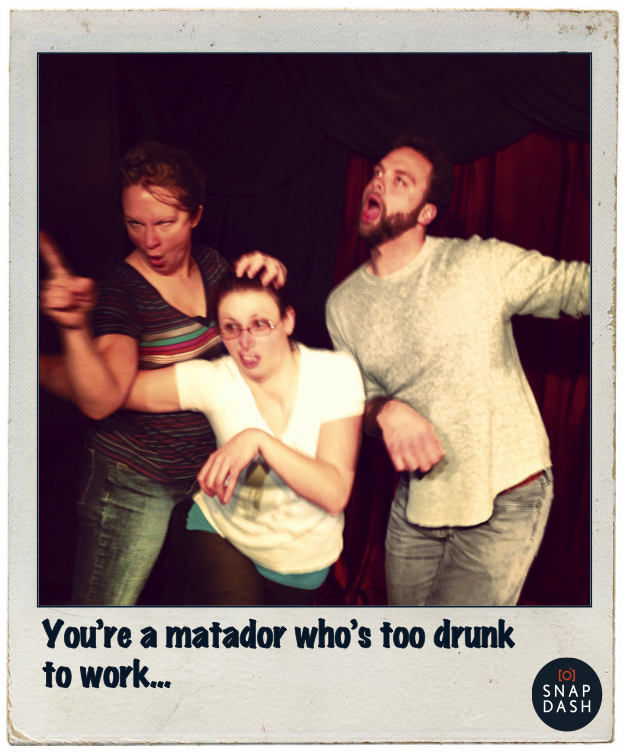
SnapDash gamifies picture taking by suggesting poses and funny things to do . The new Washington DC startup has an idea generator which helps people come up with awesome photos. Now, if you are funny, SnapDash still offers great suggestions that will make your humor stand out.

“Our theory is that the entire world likes looking at funny photos, so we want to make them easier to create and provide an addictive experience for doing so.” Daniel Hanks, co-founder of SnapDash told us in an interview.

Check out the rest of our quick startup interview below.

Who are the founders and what are their backgrounds?

Daniel Hanks

Prior to leaving the illustrious world of full-time employment to become a fledgling entrepreneur, Daniel served three years as the head of Corporate Strategy for The Teaching Company / The Great Courses in Chantilly, VA.  Previously, he spent a number of years in investment banking and software/tech-focused private equity.

Meredith Balenske

Meredith is currently the Director of Communications for Bloomberg L.P. in Washington, D.C. responsible for the external positioning and communication strategy for the Bloomberg properties and personalities in Washington.

Where are you based?

Washington, DC

What is the startup culture like where you are based?

It’s probably not the most helpful answer, but I don’t really feel like I’ve earned a right to an opinion on this yet.  Here’s what I do know already, though:  a tight, energetic group of individuals (i.e. 1776, Foster.ly, DC Tech Meetup, a handful of specific people, and so forth) sensed a vacuum and the opportunity it provided, and a yeoman’s effort has been expended so far to continue and grow this groundswell of excitement.  We have been heads down for the most part, but we feel confident that we are based in a city in which a lot of smart, hard-working people are determined to make great things happen.  We clearly do not have the density that one would find in the Valley, but that’s life.  You manage.

What problem does your startup solve?

We like to think we are putting a unique spin on something that has been around since the inception of cameras – the urging to “do something funny.”  SnapDash randomly provides a little boost of creativity and adds a short timer, therefore capturing pure instinct.  The result is a visual, full-body version of a word association game.  And, on a macro level, we are using a combination of unpredictability and humor to try and combat the overwhelming sense of “success theater” that now permeates social media.

What is one challenge that you’ve overcome in the startup process?

As with all companies that are not yet fully walking and upright, every decision has carried with it some weight; yet, for us, a relatively major inflection point came when I left my previous job and dove into SnapDash full-time.  This fact alone won’t make anyone’s socks go up and down, as people are making this same leap all the time, but it really served to crystallize my desire and purpose.  I also learned that you can, in fact, eat too much French bread pizza.

What are some of the advantages/disadvantages growing your startup outside of Silicon Valley?

Don’t have an opinion on this yet, other than my answers above.

What’s next for your startup?

We are going to be focused for the near term almost entirely on user acquisition and building out a strong base.  However, we have a number of plans for various product extensions, in addition to working alongside brands that aiming to engage with their fans and customers in a fun, unique way.

Where can people find out more, and what is your Twitter username?

Our website is www.snapdash.net, and people can follow us at @snapdashapp.


DC Mayor Vince Gray Is High On DC Startups, Check out our video from SXSW

Boston Startup: CareerApp Gives Jobseekers The Building Blocks For Success

CareerApp,Boston startup,startup interviewWhile there are hundreds of startups in the jobs space, Boston startup CareerApp has a totally different approach. They aim to give job seekers the building blocks to success. Building blocks are the foundation to the app itself.

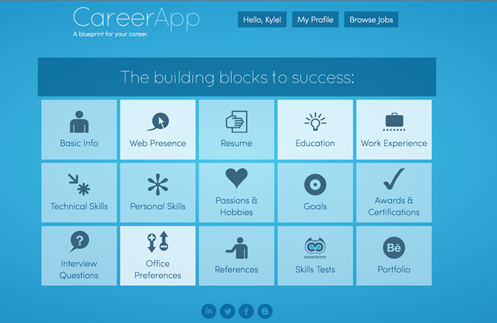
CareerApp is divided into 15 building blocks that are easy to understand, navigate and use to build a user’s CareerApp profile. The 15 blocks are:
Basic Info
Web Presence
Resume
Education
Work Experience
Technical Skills
Personal Skills
Passions & Hobbies
Goals
Awards & Certifications
Interview Questions
Office Preferences
References
Skill Tests
Portfolio

These 15 building blocks give a round picture of the overall candidate. The blocks are also extremely thorough. This allows the user, or jobseeker, to complete a detailed profile and then through one click, send that complete picture to jobs they want to apply for.

Phoebe Farber, the founder of CareerApp told nibletz.com in an interview that the next piece they are working on is a tool for career fairs. By working with the producers of job/career fairs, CareerApp can allow on-site candidates to quickly apply to each job or career they are interested in, while they are at the career fair.

This is going to save both job seekers, and recruiters a ton of time. It’s also green-er.

We got a chance to interview Farber, who was named “Ms. Future Business Leader” in 2009. She says she’s still trying to live up to that name.

Check out the interview, below.

What is CareerApp?

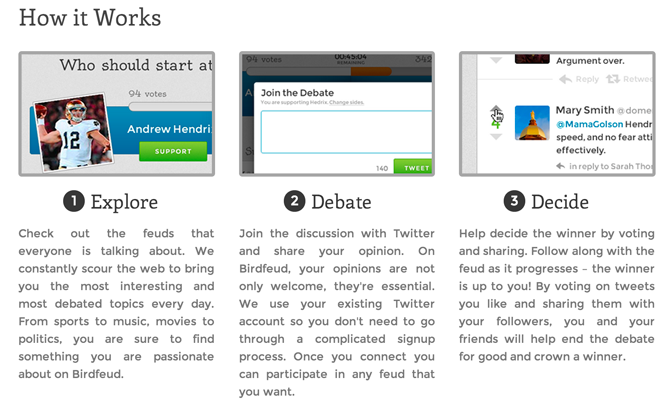
CareerApp is the “Common App for jobs” – candidates create a single, strong job application and can apply to multiple positions with one click.

Our focus is to allow new grads to showcase their past achievements and positive traits, in and out of formal work experience, and express their potential. Employers then receive a robust application and also have the opportunity to search the candidate pool to find candidates. We don’t believe that a resume is enough and we’re addressing pain points for candidates and employers.

We’re also just starting to build a Career Fair tool that’s centered around CareerApp and helps students and employers connect before, during, and after the event. So we’re excited about all that’s ahead!

In layman’s terms, how does it work?

You can visit our site, CareerApp.me, register, and complete our well-rounded application. We bet that it’s not like any other job application you’ve filled out! From there you can share the profile that’s generated and/or go apply for jobs at participating companies. We’re also building out a mobile app that should launch in the fall with our Career Fair product.

Who are the founders and what are their backgrounds?

Phoebe Farber is the Founder & CEO. She grew up in scenic town in “upstate” New York – as true New Yorkers would call it – although the sleepy town of Carmel is about an hour north of NYC. As a child and young adult she was heavily involved in Tae Kwon Do where she earned my 3rd degree black belt and over the course of 8 years learned discipline, respect, and a passion for sales and business.

She was active in the Future Business Leaders of America all through out high school and had the honor of serving as a NY State Officer for two years. She met the most amazing people there and stay involved with the state organization to continue working with officers and helping out in any way she can. FBLA helped set the foundation of her business skills and her crowning achievement was winning Ms. Future Business Leader in 2009- an award she is still trying to live up to.

In late 2011, she got the idea that if there could be a Common App for college that there could be a parallel for entry level jobs, and she started Prospective Plus and the CareerApp. She is currently working on her venture full time as a senior at Northeastern University and will graduate in December 2013.

Jake Wood is the Co-Founder & CTO, Jake has been writing code since he was six, back in the days when Visual Basic was somewhat popular. Nowadays, most of his work has been in enterprise web development, creating solutions for the finance, insurance, and airline data industries. He is a junior at Northeastern University, and has over 2 years of technical internship experience under his belt, in addition to the first-hand experience of starting a non-profit radio station at his high school, as well as other local business endeavors. When not trying to start something crazy successful, Jake likes rock climbing, hiking, and camping in his home land of Colorado.

Where are you based?

Phoebe and Jake are students at Northeastern University, so the company is based in Boston, MA.

What’s the startup scene/culture like where you’re based?

Boston has an amazing start-up culture. There are over 100 start-up’s coming out of Northeastern alone with a great venture accelerator and the #6 best Entrepreneur’s Club in the country. Boston is a hub for investors, successful start-up’s, networking and learning events, and much more. It’s definitely one of the top places in the country to be when starting a country.

How did you come up with the idea for CareerApp?

I was applying for my second co-op and just spreading my resume around. Even with what I considered a polished resume and the experience I had – I was still getting passed over for interviews for amazing positions.

I had an immensely frustrating week where I had 6 interviews in 4 days with no offers, so I started applying to jobs on career portals and searching through job boards. After a couple hours I was left with a headache and was confused about why we needed to fill out different applications for each job. This issue was solved for college applications when the Common App came about I wanted to see if the same could be done for entry level jobs.

What problem does CareerApp solve?

We are offering a gateway for new graduates and employers to meet for potential employment. Employers today are not getting enough information from a resume and have no way to access that necessary information. We make it easier for qualified candidates to offer more information about themselves and get to that initial interview.

Also, a lot of start-up’s and SMB’s are currently accepting applications via email and CareerApp allows them to organize their available jobs through our platform. Our technology can also multiple applications – like accepting applications for temp agencies and staffing firms, a portal for VC portfolio companies, and a Career Fair tool.

What’s your secret sauce, what makes you different?

We’re a very passionate, persistent, and curious team. We’re always learning, meeting new people in the industry, and looking to see how we can go to market. We’ve also had it drilled into our heads for the past several years what employers are looking for and how we can express our potential to compensate for our lack of formal work experience – so we’re interested in solving this problem.

Why now?

There is also a lot of innovation in this space as the archaric and intensely new solutions compete fiercely. Professional networking, the resumes, interviewing, and more are all growing and changing and now seems like a feasible time to change things up.

Have you faced any challenges specific to being a woman founder?

This is a tough question. Since I’m still in college, I’m not married with kids so I haven’t faced any of those work/life balance issues. I think that I’m still figuring out how to be in certain situations and how to be likable and confident while pursuing my professional goals, which I consider a female founder challenge. We’re also fundraising and I see that few investors are women and as a non-technical female founder I might face an uphill battle. Overall, I haven’t faced any true discrimination and think that my journey is like any other entrepreneurs’ – I’m working on myself as a young professional and my product and learning as I go.

What are some milestones you’ve achieved?

I was offered a scholarship to go on co-op for myself, so that gave me 2 wonderful assets- time and money. I’ve also brought on a great co-founder, so after working on this venture solo for awhile, I now have a great team.

We also launched and got our first students and companies involved in the site – so that’s been great. Seeing that people are interested in what we’re doing is very encouraging.

What’s your next milestone?

Right now we’re looking to be accepted to a summer accelerator – the mentorship, capital, and incubation would be amazing at this point. We’re also fundraising and looking to build our team and advisory board as we focus on biz dev.

Who are some of your mentors and business role models?

I really respect successful entrepreneurs – people who started amazing companies and either exited them, stayed on to grow them, or left to continue on as a serial entrepreneur. People such as Reid Hoffman (Co-Founder of LinkedIn), Jeff Taylor (Founder of Monster), Jeff Bussgang (Co-Founder of UPromise, General Partner at Flybridge Capital Partners), Dave Balter (Founder of BzzAgent, Co-Founder of Smarterer, Co-Founder of Intelligent.ly), Seth Godin, Dharmesh Shah (Founder of Hubspot), Art Papas (Founder of Bullhorn), and more.

I also have several female business role models such as Ivanka Trump (EVP of Dev. and Acquitions at Trump Org.), Sheryl Sandberg (COO of Facebook), and Barbara Corcoran (Founder of The Corcoran Group).

I’ve enjoyed reading these people’s books and blogs, article about and by them, and, in some cases, got to meet them. They’re all so creative, knowledgeable, insightful, intelligent, and innovative and I look up to them as I begin my professional life.

Where can people find out more?
Be sure to visit us at CareerApp.me, follow us @CareerApp

Check out these great startup interviews at nibletz.com the voice of startups everywhere else.

Nashville: It Takes A Village, Or A Startup Community To Build An Entrepreneur Center

Entrepreneur Center,Nashville,Michael Burcham,startup,Nashville startupThe Entrepreneur Center in Nashville Tennessee is a pretty awesome space as it is right now. It sits directly across the legendary Broadway street in Nashville, from the Hard Rock Cafe. The entire second floor serves Nashville’s startups and entrepreneurs.

The current Entrepreneur Center has always been a temporary location after opening in May 2010. The center, led by Michael Burcham, immediately began a search for a permanent home and found it in Nashville’s creatively rich SoBro neighborhood in Trolley Barn #1 at Rolling Mill.

The space is adjacent to where one of Nashville’s biggest startups, Emma, operates. There is also an entire barn filled with smaller early stage startup companies, while the last barn will become a recreational restaurant space. “Entrepreneurs and founders working at the new Entrepreneur Center will be able to grab a beer or bowl, overlooking the river, and then get back to work” Burcham told us on Friday.

Friday afternoon we got an exclusive sneak peak and complete tour of the new space. Burcham had assembled a group of center supporters to tour the progress of the center that has just over 50 days until completion.

“We’ll make our deadline for a soft opening in June” Burcham told us during the walk through.

No entrepreneurial stone was left unturned in the design and build out of the new facility. Over $5 million dollars was raised from private and public donors, including Burcham himself who has had several exits in the medical realm.

Anyone who knows Burcham knows that he’s typically beaming and grinning when talking about Nashville’s entrepreneurial scene. During this walk through he was radiating.

The tour started at the center’s new side entrance. The first thing Burcham pointed out was manhole sized indentions in the floor. This is going to be a walk of fame for entrepreneurs who’ve committed $50,000 or more to the Entrepreneur Center. The 22,000 square foot space was covered with these indentions that will be filled out by opening day.

Burcham almost choked up when he told the group how the entire community had come together across Nasvhille and across Tennessee to get this beacon of entrepreneurship built. For example, Knoxville politician and entrepreneur Jim Haslam, father of Governor Bill Haslam, underwrote the first conference room we saw. Both Haslam’s are expected to attend the grand opening in June.

The “crow’s nest” will overlook the new cafe/coffeeshop which is an accelerator in itself (photo: NMI 2013)

The next thing Burcham talked about was the crow’s nest (pictured above). Entrepreneurs will be able to pitch investors, get mentoring, or coaching high atop where other entrepreneurs will be grabbing a cup of coffee or eating at the center’s cafe.

The cafe isn’t just a source of nourishment but it will be it’s own separate 3 month restaurant accelerator. “We’re going to take entrepreneurs with restaurant startups and let them try them out here for three months before they open their doors” Burcham said. He also showed us the kitchen which will include restaurant industrial refrigeration, heating and warming. Everything a restaurant startup would need to cook and prepare.

While Broadway is just two blocks away from the new location, having an on-site restaurant will help feed over 400 people that will work, take in a class, mentor, or coach at the Entrepreneur Center on any given day.  The fact that the restaurant concept will change every 90 days will make for great variety.

These bays will house startups and accelerators including Jumpstart Foundry and Vanderbilt’s Tech Transfer (photo: NMI 2013)

Toward the back of the building are several bays. One will be an area for Vanderbilt’s tech transfer program. Jump Start Foundry’s summer 2013 session will switch over to the new space when it opens as well. There are several other announcements forthcoming at the grand opening event. Burcham filled us in on all of them, and that back space will be buzzing.

The entire center will be filled with wall to wall glass. From the front of the learning space to the back of the startup space, people will be able to see all the way through.

Speaking of the learning space, at the current EC it’s called the “Fish bowl” at the new EC it may as well be called the “aquarium”. oer 200 will be able to sit comfortably and work in comfortable chairs with pop up desks fit for laptops or iPads. “We’ll have plenty of power, AV and wifi as well”. Burcham is making sure that every corner of the turn of the century building is fit for wifi.

The new space has several big LED monitors that will be mounted on the wall. They will show what’s going on in the education space, startup space, or that’s produced in their own inhouse AV studio.

The education side of the building will have mentor offices. These spaces can be completely closed off with a sliding glass door for privacy with openness. Some of the Entrepreneur Center’s corporate mentor partners will have permanent spots and others will be able to use shared spaces.

As for Burcham, despite spearheading this entire operation, he is taking another modest office off in the corner of the building.

The Entrepreneur Center opens June 19th and 20th and will feature several startup celebrities and Governor Bill Haslam. For more info click here.

No one covers startup news in the south like nibletz the voice of startups everywhere else.

This Uber Case Should Be A Wake Up Call For Arrington Haters

Uber,Uber Rape, Mike Arrington,Allegations, Startup,startup newsBack in December we were one of the earliest startup focused sites reporting on these allegations of rape against an Uber driver in Washington DC.

The unthinkable, that some opponents of private car hiring app Uber had been anticipating, had finally happened. According to our good friends at In The Capital, a DC Uber driver had been accused of raping a customer.

The accusation came by way of the Cleveland Park Email listserv. Cleveland Park is a neighborhood in Washington DC. The Cleveland Park list serv post says the crime was caught on tape.

In The Capital reported that Metropolitan Police Department spokesperson Hugh Carew, had confirmed they  investigated forcible sexual abuse case in Cleveland Park that occurred on December 8th.  There are conflicting reports between the actual police report which suggests the attack happened on a Friday while the police report says it happened on a Sunday.

This email on the Cleveland Park listserv started it all:

A woman’s teen-age daughter used Uber car serve to return to her home
last night after a late evening. The car drove up the family’s driveway
around 3:30 AM. The girl walked to the door but the driver called her
back. When she went back, the driver struck her on the head and raped
her.The family has a security camera in the driveway. The camera showed the
driver carrying the girl’s limp body back to the house. She is now at
home, trying to rest. The entire family is of course very shaken.

Because of the cameras, they know who did it. As of this morning, he had
not yet been arrested, but many officers are involved and he will be.

On Friday, our good friends at InTheCapital were again on the case, this time reporting that the charges were dropped on Thursday.

InTheCapital reports:

As of now, the Washington Post has just come out with a report that the statements given by the woman and the driver regarding the sexual contact were in fact contradictory, and that the physical evidence as well as the testimonies given by both the driver and the woman seemed to indicate different stories. According to the driver, the woman was the one who initiated sexual contact as they were parked in her family’s driveway and they engaged in consensual oral sex. He also denied having intercourse with her, and after their encounter he carried her to the driveway where she then got up and walked inside. DNA evidence from the report does contradict the driver’s testimony to no intercourse, but security video of the woman’s driveway does show the woman walking to her side door and apparently waving to the driver as she walked in to her home. She also told authorities that she had no memory of having done this.

While both nibletz and InTheCapital both reported that these were just allegations, this should say something about all of those folks on the Mike Arrington witch hunt. In fact there are still no “charges” in that case…

Move on now and if you need a lift go download Uber.

5 Tips For Entrepreneurial MBAs From TroopID’s Blake Hall

TroopID,DC Startup,startups,startup tipsFor entrepreneurs, business school presents a unique set of choices and opportunities that can drastically alter a founder’s chance of success — for better or worse.

I founded Troop ID while I was an MBA candidate at Harvard Business School in February of 2010. And while today we employ 17 people and sign up nearly 1,000 new members daily, our path to success would have been much swifter had I leveraged the resources at my fingertips while in business school.

Here are 5 of my top lessons — many of them learned the hard way — for other MBAs considering entrepreneurship:

1. Research vesting carefully.

If you have a co-founder, then you will inevitably face a choice about how to split ownership of the company. Initially, this will seem simple: 50/50. But what happens when your co-founder – comparing his ramen noodle diet to the average starting salary of your MBA graduating class — decides to take a high-paying corporate job several months later and wants to remain an equal owner?

That happened to me, and I felt physically ill for almost two months until we sorted it out. Fortunately, smart investors won’t invest in companies until non-full time founders sell back their shares, and, ultimately, that reality allowed me to resolve the situation. But the confrontation cost me precious time and it ruined my personal relationship with a classmate I had once trusted. Looking back, I could have gone down the hall to see Noam Wasserman, a professor at Harvard who literally wrote the book on optimal ownership structures for Founding Teams. I still kick myself over that missed opportunity.

2. Find a mentor.

MBAs are uniquely positioned to find a mentor who is invested in their success. While I would steer clear of pure academic types, there are usually plenty of successful entrepreneurs on faculty.  If you develop a personal relationship with a successful entrepreneur who trusts you and is passionate about your venture, then you will have gained the most valuable asset of all: someone who can open doors for you within their trusted network. Since most MBAs are first-time CEOs or founders, sophisticated angel investors will often require that a person they trust sit on the board of the company.

My mentor, Kelly Perdew, helped me navigate multiple pitfalls that could have killed our business; he kept our chins up when the breaks went the wrong way; and he kept our eye on the ball when they started to go right. Kelly provided introductions to most of our current angels and he walked me through the financing process. He’s the single best thing to happen to me and my company.

3. Understand the commitment.

An MBA provides a safety valve that many other entrepreneurs don’t enjoy — a terrible thing for entrepreneurs, because it means that you can waltz out of your company at any point in time and land in a safe, high-paying job. I had a full-time offer from a top management consulting firm that paralyzed me the first few months after I finished business school.

Until I declined that opportunity, I couldn’t make the tough decisions about the best geographic location for the company, I wasn’t fully bought into my own vision and, most importantly, I couldn’t hire talented people or ask them to leave their jobs because that would be unethical. Only when I fully committed to making my company successful did I feel free.

I waited far too long to make this decision and I allowed my Facebook feed – filled with my classmates’ vacations and ski trips – to influence my thinking. After declining the job offer, the next year was even worse. I was lonely. My credit cards maxed out. But I never quit because I was passionate about the problem that I was solving.

4. Focus on your product, relentlessly. 

Before we even had a product, I had built a sharp-looking Excel business model that projected a meteoric rise to success. I cringe now when I write about it because, while I understood financial modeling, I understood virtually nothing about building a company. Because I had business training, I thought that my job was to go out and build a sales and marketing plan and to develop relationships with other businesses. I pursued these activities at the expense of the product — the core of the business.

After a few months and a harsh (but much-needed) conversation with one of our seed investors, I stopped doing everything else until we nailed our product and validated our assumptions with small cohorts of customers.

Today, focusing on product first is a personal mantra. It’s also incredibly rewarding because it allows for a level of creativity and self-actualization absent in most other functions. MBAs are well-suited to leverage their business training to provide analytical rigor to validate customer assumptions based upon customer behavior with product features.

In the meantime, I’ve learned not to waste money selling and marketing a product that doesn’t solve a real problem.

5. Pitch everyone. 

The biggest advantage of being an MBA is that you have access to virtually everyone you need to poke holes in your idea: faculty, lawyers, angel investors, VCs, corporate executives, classmates, and potential customers. Pitch everyone you meet while you are in business school, and soak in the feedback. After a few weeks, you’ll notice that the critiques you receive are clustered around perceived weak points in your business model or flaws with your product idea.

If you can gather the data to answer each one of those critiques, then people will start writing checks to you — and they will leave their jobs to come work for you.

America needs more talented leaders to choose entrepreneurship. Our best and brightest have the most impact when they build new products that solve meaningful problems and give people jobs. We don’t need more bankers and consultants. If you decide to go this route, I wish you the best of luck!

Blake Hall is the Founder and CEO of Troop ID, a digital authentication engine capable of verifying military affiliation online. An Airborne-Ranger qualified officer, Blake led a battalion reconnaissance platoon in Iraq for fifteen months during 2006 – 2007. He has written for The Washington Post, Foreign Policy, The Huffington Post and Vanderbilt Magazine. Thanks to The Economist, he is also the first Google result for the phrase “muscly entrepreneur.”

The Young Entrepreneur Council (YEC) is an invite-only organization comprised of the world’s most promising young entrepreneurs. In partnership with Citi, the YEC recently launched #StartupLab, a free virtual mentorship program that helps millions of entrepreneurs start and grow businesses via live video chats, an expert content library and email lessons.

Check out more on TroopID at nibletz.com The Voice Of Startups Everywhere Else.

Warner Music Exec Ping Ho Gives Important Tips For Music Startups

Music startups academy, Nashville, music startup,startup,startup tips,startups

Larry Miller, Medianet (L), Ping Ho, Warner Music Group (R) (photo: NMI 2013)

Warner Music Group’s Director of the Digital Strategy Team, Ping Ho, was in Nashville today for the Music Startup Academy. The event is meant to merge musicians, labels, lawyers, publishers and entrepreneurs working on startups that are touching the music business.

In my startup experience I’ve get to talk to a lot of startups. I’ve also sat on a few committees that have vetted startups for accelerator programs. So often I’ve met music based startups who have no idea how big the can of worms is when they want to do something with commercial music.

Ho, has been with Warner Music Group over the last 8 years, and always with the digital department. She’s been through just about the entire boom of the digital music age.

We’re going to continue to dive more into music focused startups in the future here at nibletz.com but in the mean time, at the event today Ho gave some very good advice to music startups.

First things first, in my experience, I’ve met quite a few founders who want to offer some kind of “radio” or “streaming” service and are adamant about doing their own thing and not using an API from someone like Spotify or Rdio. That may be the biggest mistake you’ll ever make.

Licensing music directly from a major label and can be very costly. Legitimizing your startup among independent artists can be a very long tail process. If you don’t have millions (and I’m not exaggerating) you may want to reconsider those Spotify API’s until you can build up traction.

Stubborn? Headstrong, oh ok you have the greatest idea in the world and want to go directly to the label then read on…

For starters Ho did say that it’s a lot easier to score a meeting or at least a chance to get your startup in front of her team than it would be for an artist to get in front of a traditional A&R. But pay attention here or you’ll blow it.

The Boy Scout Rule: Be Prepared.

Sure this is common knowledge but for Ho, and her counterparts at other labels this means.

– knowing your pitch
– knowing your market
– knowing your competition
– knowing what you need from the label
– having a white paper or deck, but they want to see both business plan and product, and in depth.

On this, here is the absolute biggest thing Ho said that will get your meeting shut down…

Have a ProtoType, DO NOT BE IN A CLOSED WORKING BETA.

Ho said that many times startups have pitched her. They get to a meeting and have set up a wonderful login for her to use to access their startup. They are happy, headstrong and proudly say, “We’re in a closed beta with 5000 users, and they love it”, “They’re using our service four hours a day each”. Then she, or an executive in her position, goes to the actual product and they’re using Warner’s music in the “beta”. Well guess what, your great idea and great startup are now stealing WMG’s product, and with 5,000 users using the service four hours a day, you’re stealing a lot of that.

The music business is going through it’s biggest fundamental change ever. An executive with Sony earlier in the program said “The album is dead, we need to find more high margin product businesses”, digital licensing is now the catalog vault.

“I’m going to rely on the artist to help build my customer base” makes Ho cringe the way that “we’re going to grow socially and organically over the first two years” makes me cringe.

Artists aren’t going to get involved until they see how your startup is impacting their bottom line. This can be a double edged sword as well because remember, the death of the album is affecting artists just as much as it is labels. They’re getting into more and more businesses, and a lot of them are digital.

So now that you’ve got all that, check out digitalmusic.org they’ll help you get to that next step.

Here are more great startup stories from Nashville.


Startup Grind Announced For Philly!

StartupGrind,StartupGrind Philly,startup,startup eventStartup Grind, the global startup community designed to educate, inspire and connect entrepreneurs through monthly top tier fireside chats is sweeping the nation. Philadelphia is the latest city to add a chapter for the organization.

Startup Grind Philadelphia is being headed by Mike Maher the founder and CEO of Benjamin’s Desk, Philadelphia’s premiere shared office and coworking space for professionals.

“The Philadelphia Chapter of Startup Grind is seeking to fill the gap in programming that currently exists in the entrepreneurial ecosystem. There are workshops, panels, and demos, but entrepreneurs are craving to hear the stories from the horses mouth and are looking for those little keys to add to their startup toolbox.” Benjamin’s Desk community manager Katie Cohen said in an emailed statement.

The first Startup Grind event in Philadelphia will feature Venture Capitalist Wayne Kimmel, the founding partner of Artists & Instigators who’s firm has invested in Dwolla, Seamless, Indiegogo, Reverbnation, Zaarly and Nutrisystem, just to name a few.

The event is Wednesday May 1 from 6-9pm following Philly Tech Week. Interested in attending, get tickets here.

Philly startups your chance to get on Shark Tank is May 11th, details here.